
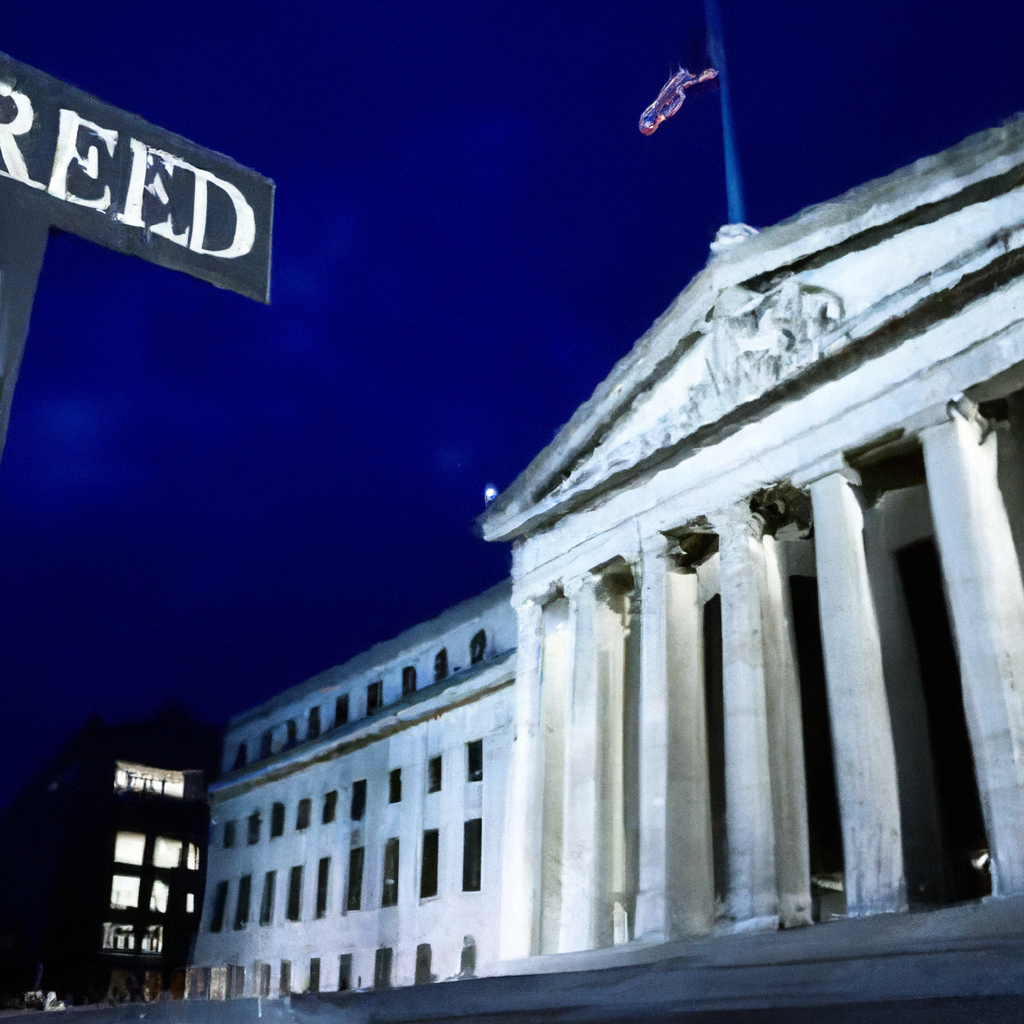
Washington D.C./January 13, 2026 – Current projections indicate that inflation in the United States will hold steady around 2.7% annually, prompting an intensified focus on interest rates by the Federal Reserve (Fed). While this figure remains relatively stable, it raises important questions regarding the future direction of national monetary policy.
Analysts from major banks such as J.P. Morgan suggest a potential hike in rates by 2027 following weaker-than-expected labor data, leading Goldman Sachs and Barclays to postpone their rate cut forecasts. These expectations have created an atmosphere of uncertainty among investors who must navigate potential recessions and a tighter monetary stance. Many foresee the Fed adopting more conservative decisions while maintaining a watchful eye on inflation.
In parallel, UBS points out that possible reductions in interest rates could provide investment opportunities, particularly in the mortgage sector, as inflation data solidifies as a key factor in the Fed's decision-making process.
In conclusion, as inflation remains at a manageable level, the Fed's approach must strike a balance, avoiding drastic moves that could disrupt the global economy and financial markets at large.